
Article
Tsalani Lassiter (Rae Wynn-Grant, Den); Shutterstock.com (Snow); Shutterstock.com (Snow); Tsalani Lassiter (Rae Wynn-Grant); Paul Cyr Photography (Newborns, Weighing); All Canada Photos/Alamy Stock Photo (Cubs); Shutterstock.com (Snow); Christine Jean Chambers/Courtesy of Rae Wynn-Grant (Dr. Rae); Shutterstock.com (Bear Cub); Marybeth Butler Rivera (Nosey costume)

Into the Bear Den

What is it like to go into a sleeping bear’s den? Dr. Rae Wynn-Grant does it for her job!

By Meg Richardson
From the February 2026 Issue

Learning Objective: Children will discuss how a bear scientist help cubs.

Lexiles: 530L
Featured Skill: Key Details, Vocabulary
Vocabulary: den, hibernating, protecting, locations, newborn
Topic: Science,

Standards

Dr. Rae finds the bear den! 

Dr. Rae Wynn-Grant hikes through a snowy forest. She is looking for a black bear den. The air is cold. The hike is long. But she has a job to do. Dr. Rae is a scientist who studies bears.

At last, she finds the bear den. She takes a deep breath. 

It’s time for her to climb into the den. A mother bear is hibernating in there. Dr. Rae is a little scared. But she’s excited too! 

Most people should never go near bears. They can attack if they are scared. But Dr. Rae knows how to do it safely. 

How many bear cubs will she find in the den? Will they be healthy? She can’t wait to find out.

Helping Bears

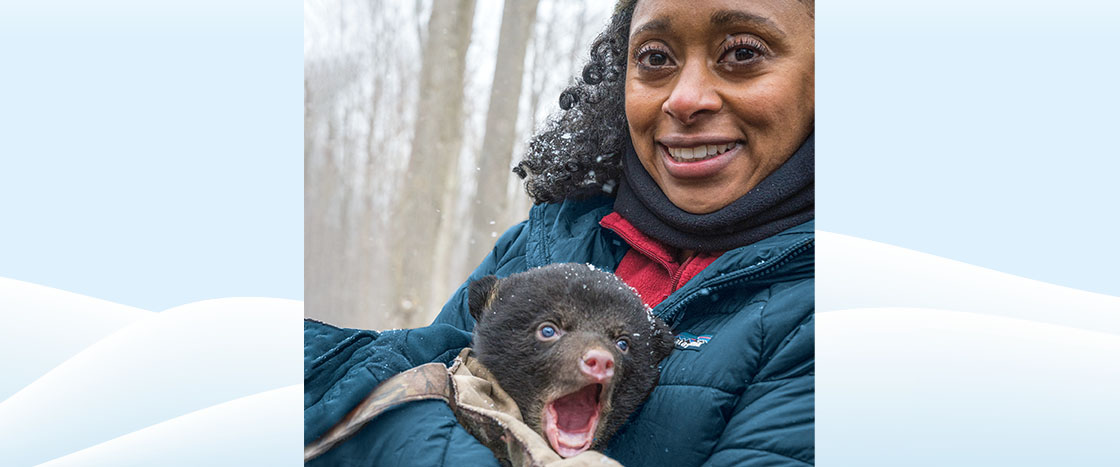
Dr. Rae holds up a newborn cub. 

About 100 years ago, black bears were not doing well. People hunted them. The forests where they lived were getting chopped down. 

Now people are protecting black bears. They are working hard to keep black bears safe. Dr. Rae and a team of scientists go out in the winter to help
the bears. 

How do they help? The scientists want to know bears’ locations, or where they are. That way, they can protect the places where bears live. 

They also check on bears. The scientists need to see how many cubs there are and if the bears are healthy. That’s why Dr. Rae and her team go into bear dens. 

Into the Den

Dr. Rae climbs inside the bear den. The mother bear is hibernating. She is sleepy and moving slowly. But she is not fully asleep. If Dr. Rae touches her cubs, she could attack.

Dr. Rae gives the mother bear a shot. The shot doesn’t harm her. It keeps her sleeping long enough for Dr. Rae to check the cubs. 

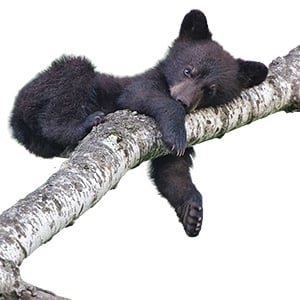
In the den, Dr. Rae sees a bear cub, then another, then another. There are three newborn cubs! 

Now it’s time for Dr. Rae to pick up the cubs. She takes them out of the den one by one. 

The cubs are too small to stay warm on their own. They have never even been outside! Dr. Rae tucks the fuzzy babies into her jacket. They are cuddly!

Bear Checkup

Bear scientists weigh a cub in a bag. 

Dr. Rae and her team measure the cubs and weigh them. They also put tags on the cubs. That way, when the scientists find the cubs again, they will know which one is which.  

Then the team puts the tiny cubs back in the den. They are back with their mother, warm and safe.

Finally, Dr. Rae writes down all the facts she learned about the bears. That will help other scientists know where the bears are and how they are doing.

Bye-Bye, Bears

The bears will stay in their den until springtime. In the summer, the babies will learn to climb trees and find food. Scientists will keep making sure they are healthy.

But for now, Dr. Rae walks away from the bear den. She hikes through the beautiful forest. She got a lot of great information about bears today. 

Bye-bye, bears! See you in the spring!

We Asked Dr. Rae!

We wanted to know more about Dr. Rae and bears. Here are her answers.

Dr. Rae Wynn-Grant 

Storyworks:

 Did you like nature as a kid?

Dr. Rae:

Yes! I lived in the city, but I learned about nature from TV shows. 

Storyworks:

Where do bears live?

Dr. Rae:

Bears are in almost every state in the country. They are shy. They stay away from people and live in the woods.

Storyworks:

 Are bears scary?

Dr. Rae:

It is important to know how to stay safe around bears. Only experts like me should go near them. 

Storyworks:

Is it fun to hold the cubs?

Dr. Rae:

Yes! It is an important part of their checkup.

video (1)
Slideshows (1)
Activities (3)
Answer Key (1)
video (1)
Slideshows (1)
Activities (3) Download All Quizzes and Activities
Answer Key (1)
Text-to-Speech